

Empowering Students For ABrighter Future.
Empowering Brighter Futures.
Get Started→


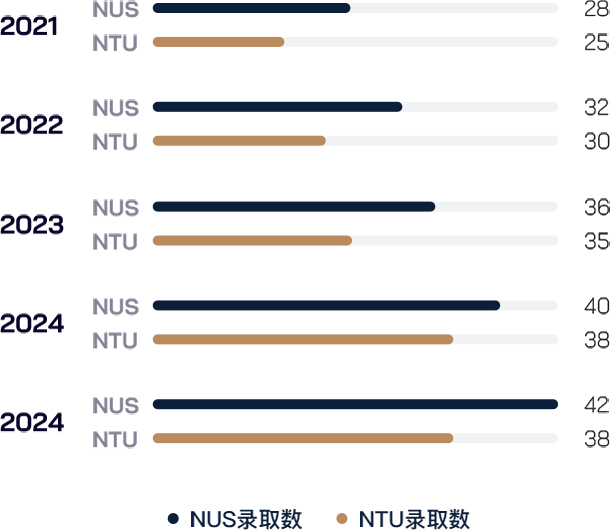
SQSP’s total annual offers increased from 79 in 2021 to 121 in 2025, representing growth of 53%. This was not simply the result of serving more students. It came from SQSP’s consistent commitment to turning the experience gained from every application case into a practical advantage for the next cohort.
Notably, NUS offers increased from 28 to 42, representing 50% growth over five years, while NTU offers rose from 25 to 38, an increase of 52%. The parallel growth across both universities demonstrates that SQSP’s methodology has become applicable to a broader range of applications, rather than relying on success at a single institution.
The year 2023 marked a turning point, when the proportion of students from international schools in mainland China surpassed that of students based in Singapore. This trend continued to accelerate throughout 2024 and 2025.

As application season approached, I felt a little unsure of myself. The students around me seemed to excel at everything, and I hadn’t won any major awards or done any research. I’d attended a summer program, but I wasn’t sure how that experience connected to what I wanted to study.
After talking with my mentors, I thought back to what had made me curious during the program. That helped me get a clearer sense of what I enjoyed and what I was good at. The essay was the hardest part for me. Whenever I got stuck, Mr. Ng would point out exactly what wasn’t clear, and I felt comfortable telling him what I was trying to say. After a few rounds of revisions, I could explain in my own words why I wanted to study DSAI, and I felt much less nervous about applying.
While I was preparing my application, Ms.Shiqi recommended that I attend SMU’s summer programme. It gave me a chance to experience classes at SMU firsthand and a clearer idea of what studying business at university would be like.
After I enrolled, Mr.Kin helped me narrow down my career interests in finance, improve my resume, and plan for internships. I learned to draw on specific examples from my coursework and group projects to show employers what I could do. After graduation, I started my career in Singapore’s financial sector.
With Ms.Shiqi’s help, I planned ahead for an engineering internship and gained hands-on experience. Applying what I’d learned at NTU to real projects gave me a clearer picture of how engineers solve practical problems and helped me decide which areas of engineering I wanted to explore further.
At first, I listed only the names of my projects, so it was hard to tell what I’d actually done. Ms. Yahui helped me group similar activities, and I noticed a common thread. In my robotics project and other activities, I’d been documenting the problems I noticed and how we worked through them step by step.
Ms. Shiqi then helped me reorder the list, putting the projects that best showed how I’d helped others first. Once I put the list together that way, it was easier to see how my experiences fit together, what I contributed, and why the work mattered to me.
With Ms. Shiqi’s guidance, I completed five internships related to my field during university. After graduation, I joined PwC and went on to obtain permanent residency in Singapore.
When I was choosing a major, one of my main priorities was being able to stay and work in Singapore after graduation. Ms. Shiqi helped me compare the courses and career paths of several programs. We talked through what interested me, and she helped me decide on Occupational Therapy at SIT. After graduating, I stayed in Singapore and found a job related to my degree.
I was studying for my IB exams while working on my university application. Mr. Aaron helped me put together a checklist of everything I needed, including my predicted grades, letters of recommendation, and records of my extracurricular activities. He reminded me to request the documents from my school early, so I could focus on my exams and still submit my application materials on time.
When I first put together my portfolio, I included only a few finished pieces. Mr. Daryl suggested adding sketches I’d made on location, photos, and notes from my revisions. My portfolio felt more complete after that because it showed how my initial observations developed into finished work.
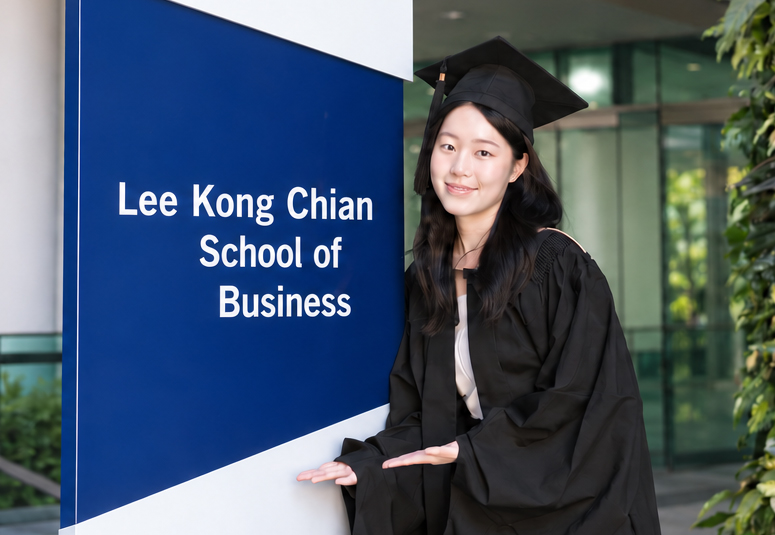
Mr. Kin and I brainstormed together and found a focus for my application essay in my volunteer experience. He helped me refine the content and wording over several rounds of revisions. I was thrilled to receive an offer from NUS Business School.
Mr. Kin encouraged me to pursue things I was genuinely interested in and helped me decide which experiences to share in my application. During our mock interviews, he’d follow up on my answers with questions like, “What made you want to do that in the first place?” After a few practice sessions, I could explain what I was thinking in my own words, and follow-up questions didn’t make me as nervous anymore.






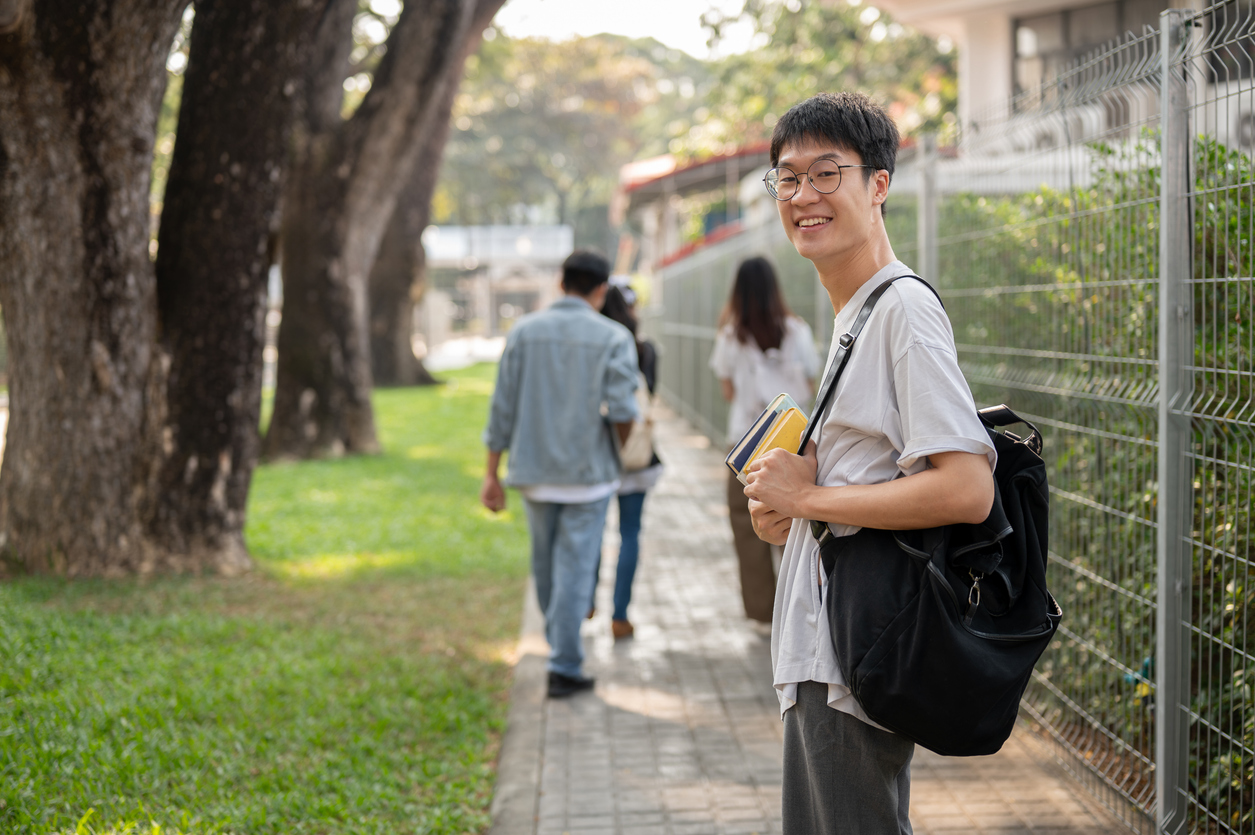

“During our child’s first year in Singapore, he felt completely lost. Your planning and ongoing support helped him rebuild his confidence. His academic performance has improved, and he is now much more willing to express himself proactively.”

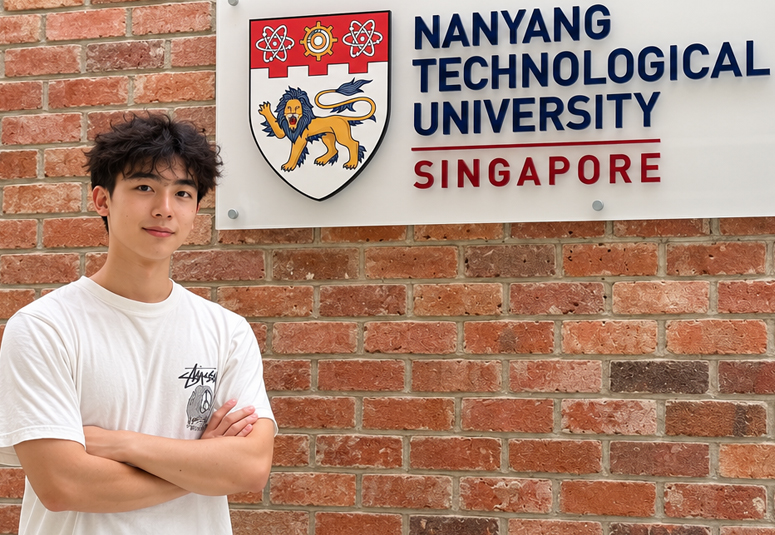
“From programme selection to essay development and interview preparation, your team demonstrated exceptional professionalism. Our child received offers from both NTU and SMU, which completely exceeded our expectations.”
“Our child initially struggled to adapt after arriving, but has since made steady academic progress and successfully entered the ideal school. We are truly grateful for the patience and professionalism of the SQSP team.”
“The teachers helped me receive offers for two programmes at LASALLE. I am extremely happy!”
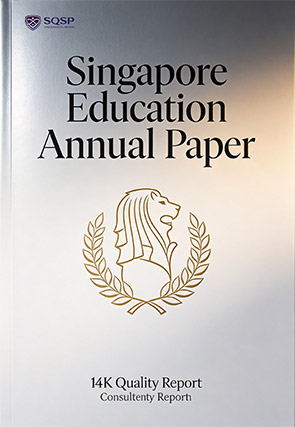
This white paper includes a comprehensive analysis of admissions data from 2021 to 2025, trends in entry requirements across different programmes, an explanation of the criteria used to assess application materials, and the SQSP advisory team’s outlook for the 2026 application cycle.


企业二维码

Request
Received